Healing at Your Fingertips: A Practical Guide to Acupressure for Pain and Stress
 Jun, 1 2026
Imagine having a toolkit that fits in your hands, costs nothing, and can ease a pounding headache or calm racing nerves in minutes. That is the promise of acupressure, an ancient technique rooted in Traditional Chinese Medicine (TCM) that uses physical pressure on specific points to restore balance and health. Unlike acupuncture, which involves needles, acupressure relies on thumbs, fingers, knuckles, or even elbows to stimulate these points.
In our fast-paced world, where stress and minor aches are daily companions, learning how to apply gentle pressure effectively is more than just a wellness trend-it’s a practical skill. Whether you are dealing with tension headaches, digestive issues, or simply feeling overwhelmed, acupressure offers a non-invasive way to take control of your body’s natural healing processes. This guide will walk you through the basics, show you exactly where to press, and explain why it works.
Understanding the Basics: What Is Acupressure?
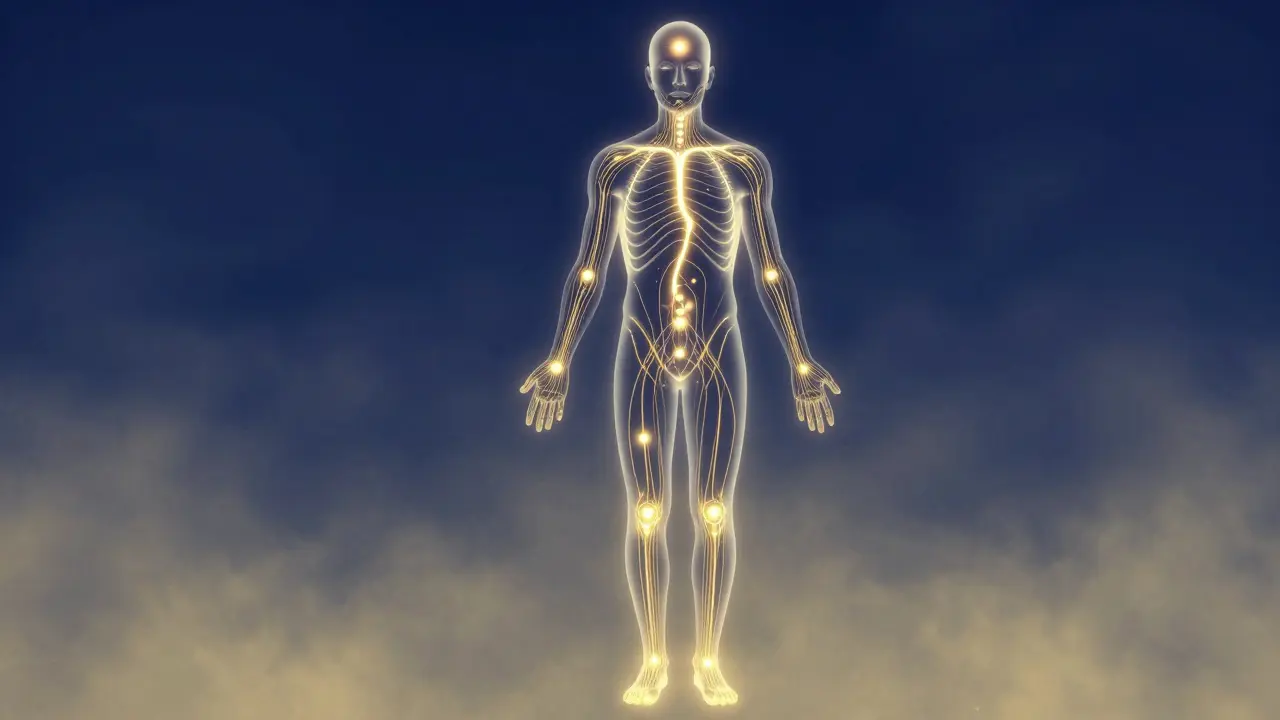
To understand acupressure, you first need to grasp the concept of Qi (pronounced "chee"). In TCM philosophy, Qi is the vital life force energy that flows through your body along pathways called meridians. Think of meridians like rivers; when the water flows smoothly, everything thrives. When there are rocks or dams blocking the flow, stagnation occurs, leading to pain, illness, or emotional distress.
Acupressure is a therapeutic technique that applies manual pressure to specific points on the body to unblock energy flow and promote healing. It operates on the same map as acupuncture but swaps needles for touch. The theory suggests that by stimulating these key points, you trigger the release of endorphins-the body's natural painkillers-and improve blood circulation to affected areas.
While modern science doesn't always use the language of "energy," studies suggest that acupressure stimulates nerve endings, which send signals to the brain to reduce pain perception and relax muscles. It’s a bridge between ancient wisdom and modern neurology.
Top 5 Acupressure Points You Should Know
You don’t need to memorize hundreds of points to get started. There are several "master points" that address common ailments like headaches, nausea, stress, and insomnia. Here are five essential points to keep in your mental toolkit.
| Point Name | Location | Best For |
|---|---|---|
| LI4 (Hegu) | On the back of the hand, in the webbing between the thumb and index finger. | Headaches, toothaches, facial pain, and general stress. |
| PC6 (Neiguan) | Inner wrist, about three finger-widths down from the wrist crease, between the two tendons. | Nausea, motion sickness, morning sickness, and anxiety. |
| LV3 (Taichong) | On the top of the foot, in the depression between the big toe and the second toe. | Stress, anger, menstrual cramps, and headaches. |
| Yintang | Directly between the eyebrows, above the bridge of the nose. | Sinus congestion, insomnia, and calming the mind. |
| SP6 (Sanyinjiao) | Inner leg, four finger-widths above the inner ankle bone, behind the shinbone. | Digestive issues, bloating, and menstrual discomfort. |
How to Apply Pressure Correctly
Finding the right spot is only half the battle. How you apply pressure matters just as much. Incorrect technique can be ineffective or even painful. Follow these steps for safe and effective application:
- Locate the Point: Use your fingertips to gently explore the area described. Acupressure points often feel slightly tender, depressed, or bumpy compared to the surrounding tissue.
- Choose Your Tool: For most points, your thumb is best. For larger muscle groups or deeper points, you might use your knuckle or elbow.
- Apply Steady Pressure: Press firmly but not painfully. The sensation should be a "good hurt"-a mix of pressure and mild soreness that feels relieving rather than sharp.
- Breathe: Take slow, deep breaths while pressing. Inhale deeply, and exhale slowly. This helps relax the muscles and enhances the effect.
- Hold and Release: Hold the pressure for 3 to 5 seconds, then release. Repeat this cycle 5 to 10 times per point. Alternatively, you can maintain steady pressure for one to two minutes.
- Be Consistent: Acupressure works best when practiced regularly. Don’t expect a miracle after one session; think of it as maintenance for your body.
Acupressure vs. Massage: What’s the Difference?
It’s easy to confuse acupressure with massage, especially since both involve touch. However, their goals and methods differ significantly.
Massage therapy typically focuses on soft tissues-muscles, tendons, and fascia-to relieve tension, improve flexibility, and promote relaxation. It often involves long strokes, kneading, and friction over large areas.
Acupressure, on the other hand, targets specific, precise points along meridians. It’s less about relaxing the whole muscle group and more about signaling the nervous system to adjust function. While a massage might leave you feeling generally relaxed, acupressure aims to address specific symptoms like nausea or a blocked sinus.
Think of it this way: massage is like watering the entire garden, while acupressure is like pruning a specific branch to help the tree grow better.
Safety First: Who Should Avoid Acupressure?
While acupressure is generally safe, it’s not suitable for everyone or every situation. Knowing when to hold back is crucial.
- Pregnancy: Certain points, particularly LI4 and SP6, are believed to stimulate uterine contractions. Pregnant women should avoid these points unless guided by a qualified practitioner.
- Open Wounds or Skin Conditions: Never apply pressure over cuts, rashes, bruises, or varicose veins. Wait until the skin heals.
- Bone Fractures or Tumors: Avoid pressing directly on broken bones or areas with known tumors.
- Recent Surgery: Consult your doctor before starting acupressure if you’ve had recent surgery, especially near the treatment area.
- Severe Medical Conditions: If you have serious health issues like heart disease or bleeding disorders, talk to your healthcare provider first.
Integrating Acupressure into Daily Life
The beauty of acupressure is its accessibility. You can practice it anywhere-at your desk, during a commute, or before bed. Here are some simple ways to make it a habit:
Morning Routine: Start your day by massaging Yintang to clear your mind and set a calm tone. Spend two minutes pressing LV3 on both feet to ground yourself.
Work Breaks: If you sit at a computer all day, take breaks to stretch and press LI4 on both hands to relieve tension headaches caused by screen time.
Evening Wind-Down: Before sleep, try pressing PC6 to calm anxiety and SP6 to aid digestion if you had a heavy dinner. This can signal to your body that it’s time to rest.
Keep a small journal to track which points work best for you. Everyone’s body responds differently, so personal experimentation is key.
Conclusion: Empowering Yourself Through Touch
Acupressure isn’t magic, but it is powerful. By understanding your body’s map and learning to communicate with it through pressure, you gain a valuable tool for managing everyday discomfort. It empowers you to take an active role in your well-being without relying solely on medication or external treatments.
Start small. Pick one point, learn its location, and practice applying pressure correctly. Over time, you’ll build confidence and discover how this simple technique can enhance your quality of life. Remember, consistency is key-make it part of your routine, and let your body guide you.
Does acupressure really work?
Yes, many people find relief from pain, stress, and nausea using acupressure. While scientific research varies, numerous studies support its effectiveness for conditions like morning sickness and chronic pain. It works by stimulating nerves and releasing endorphins.
How long does it take for acupressure to work?
Effects can be immediate for some issues like nausea or acute pain. For chronic conditions, regular practice over weeks or months may be needed to see significant improvement. Consistency is important.
Can I do acupressure on myself?
Absolutely! Self-acupressure is very common and effective for many points, especially those on the hands, feet, face, and accessible parts of the legs and arms. Some back points may require a partner or tool.
Is acupressure safe for children?
Generally yes, but use much gentler pressure. Children’s bodies are more sensitive. Always consult a pediatrician before trying new therapies, especially for young kids.
What tools can I use for acupressure?
Your fingers and thumbs are the primary tools. You can also use acupressure mats, rings, balls, or sticks for convenience or to reach difficult areas. Ensure any tools are clean and safe.