Abhyanga Oil Massage: How to Do It Right for Better Health
 Jun, 4 2026
You probably think of massage as something you pay for at a spa. You lie down, someone rubs your shoulders, and you leave feeling relaxed for an hour. But what if the most effective massage you could ever get was one you did yourself, every single morning, before you even showered?
This is Abhyanga, an ancient Ayurvedic self-massage technique using warm oil to nourish the skin, calm the nervous system, and support detoxification. It’s not just about feeling good in the moment. It’s a daily ritual that connects your mind and body, improves circulation, and helps your body eliminate toxins naturally. If you’ve been looking for a self-care habit that actually works without costing a fortune or requiring hours of free time, this is it.
What Exactly Is Abhyanga?
Most people hear "Ayurveda" and think of strict diets or complicated yoga poses. But Abhyanga is simple. It comes from Sanskrit, where "Abhi" means "towards" and "Anga" means "limbs." So, literally, it’s directing energy towards your limbs. In practice, it means rubbing warm oil into your skin with specific strokes.
Unlike Western massage, which often focuses on deep tissue work to release muscle knots, Abhyanga is gentle. The goal isn’t to fix a sore back; it’s to maintain balance. Think of it like brushing your teeth. You don’t brush because your teeth hurt; you brush to prevent problems. Abhyanga prevents stiffness, dryness, and mental fog.
The science behind it makes sense too. Your skin is your largest organ. When you apply warm oil, you increase blood flow to the surface. This helps flush out metabolic waste through the lymphatic system. Plus, the rhythmic motion sends signals to your vagus nerve, telling your brain to switch from "fight or flight" mode to "rest and digest." That’s why you feel so calm afterward.
Picking the Right Oil for Your Body Type
In Ayurveda, one size doesn’t fit all. Using the wrong oil can actually make you feel heavier or more sluggish. To get the benefits, you need to match the oil to your constitution, or "Dosha."
| Dosha (Body Type) | Characteristics | Best Oil | Why It Works |
|---|---|---|---|
| Vata (Air/Ether) | Anxious, dry skin, thin build, cold hands/feet | Sesame Oil or Almond Oil | Heavy, warming oils ground the airy nature of Vata and moisturize dry tissues. |
| Pitta (Fire/Water) | Intense, sensitive skin, prone to rashes, medium build | Coconut Oil or Sunflower Oil | Cooling oils soothe the fiery nature of Pitta and reduce inflammation. |
| Kapha (Earth/Water) | Calm, oily skin, sturdy build, slow metabolism | Mustard Oil or Sesame Oil (lightly heated) | Lighter, stimulating oils wake up the sluggish Kapha system and improve circulation. |
If you aren’t sure which type you are, start with sesame oil. It’s considered neutral and works well for most people. Just make sure it’s organic, cold-pressed, and unrefined. Refined oils have lost their nutrients and won’t give you the same benefits.
Step-by-Step: How to Perform Abhyanga at Home
You don’t need a special room or expensive equipment. You just need a towel, some oil, and about 10 to 15 minutes. Here is how to do it properly.
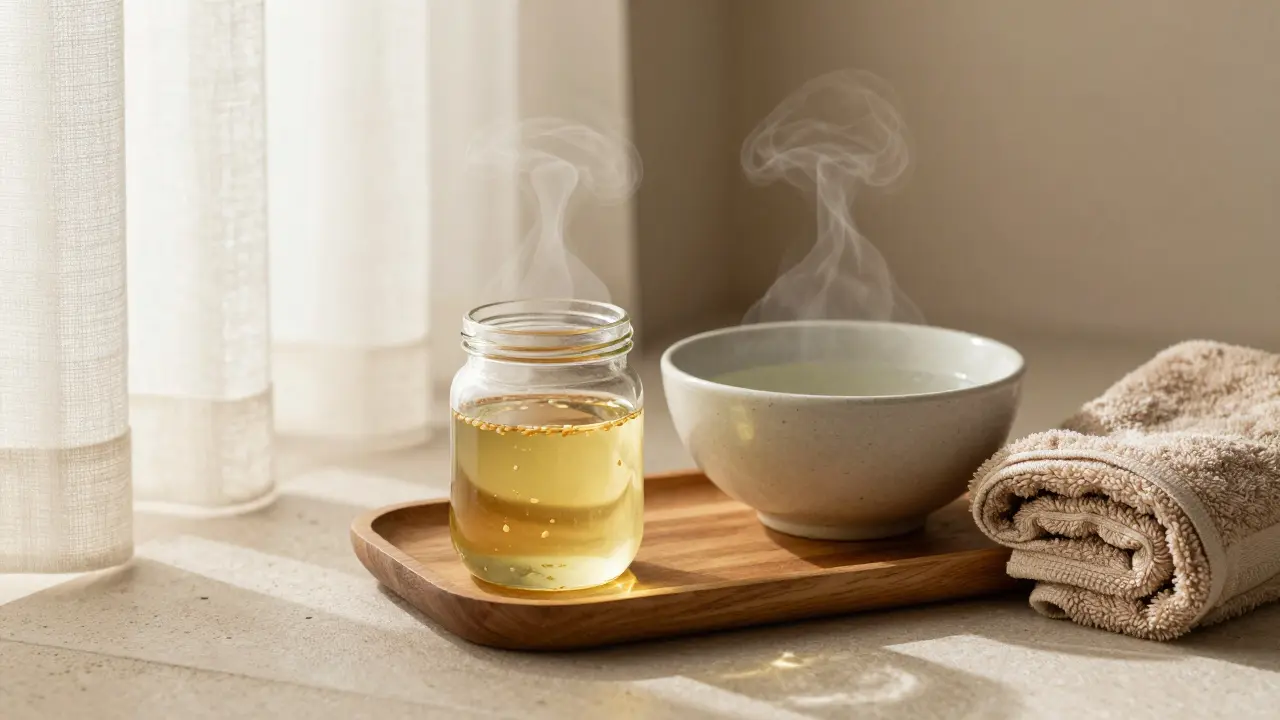
- Warm the oil: Pour about half a cup of oil into a glass jar. Place the jar in a bowl of hot water for a few minutes until the oil is comfortably warm. Test it on your wrist-it should feel soothing, not burning.
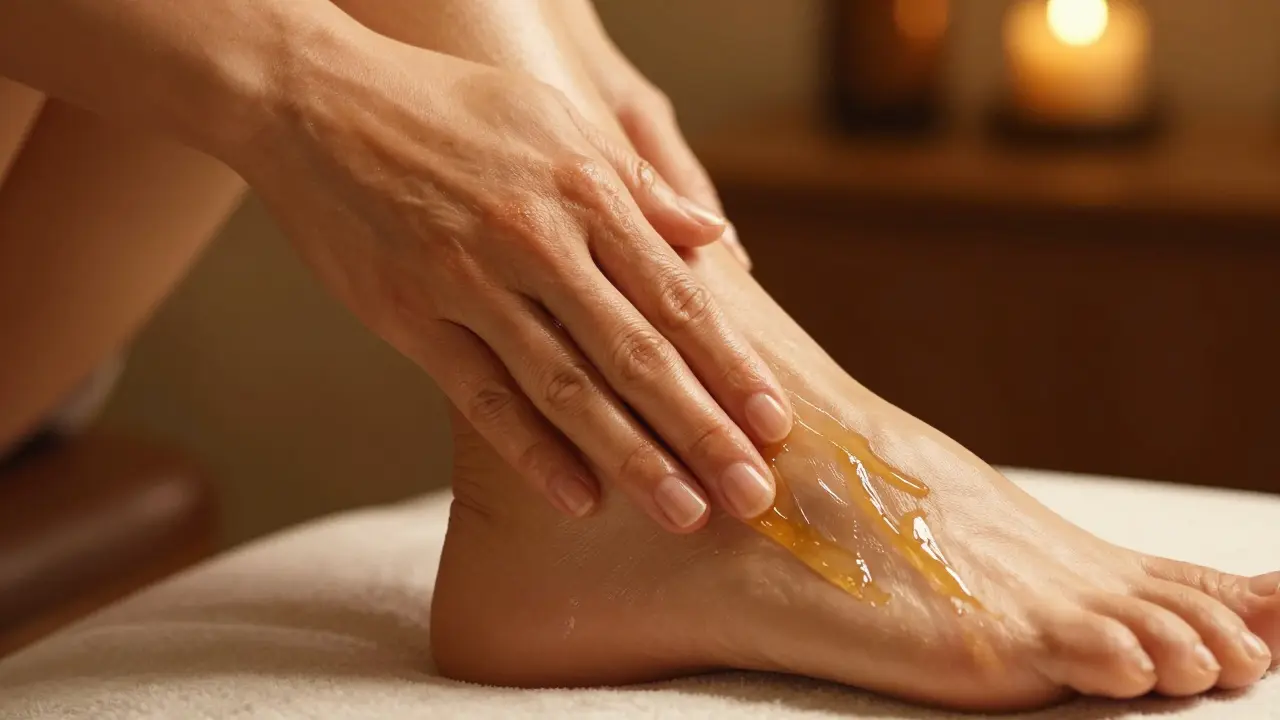
- Start from the feet: Stand up. Apply oil to your feet, massaging each toe individually. Then move to your ankles and calves. Use long, upward strokes toward your heart. This direction supports lymphatic drainage.
- Move to the arms: Massage your palms, then your wrists, forearms, and upper arms. Again, keep the strokes moving upward toward your shoulders.
- Treat your torso: Use circular motions on your abdomen. Clockwise circles help digestion. On your chest and back, use broad, sweeping strokes.
- Don’t forget your head: This is crucial. Massage your scalp with firm pressure using your fingertips. Pull gently on small sections of hair to stimulate follicles. Rub your ears thoroughly-they are full of nerve endings connected to your whole body.
- Face massage: Use very light touches on your face. Stroke outward from the center of your forehead to your temples. Smooth down the sides of your nose and under your eyes.
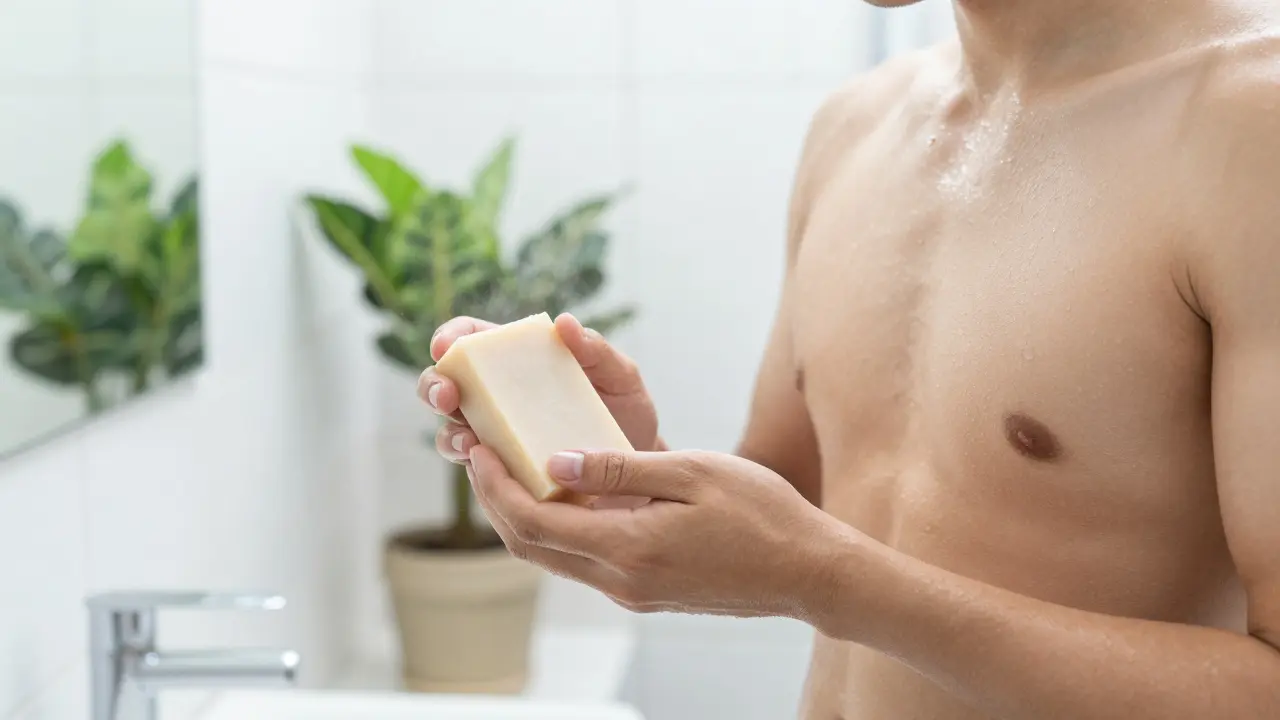
After you’re done, sit quietly for two minutes. Breathe deeply. Let the oil soak in. Then, take a warm shower. Use a mild soap only on areas that feel dirty, like your armpits and feet. Rinse off the rest of the oil. You’ll notice your skin feels incredibly soft, almost like silk.
The Real Benefits: Why You Should Stick With It
It’s easy to skip a daily routine when you don’t see immediate results. But Abhyanga builds up over time. Here is what happens when you make it a habit.
- Better sleep: The calming effect on the nervous system helps regulate your circadian rhythm. Many people find they fall asleep faster and stay asleep longer.
- Reduced joint pain: The oil penetrates deep into the tissues, lubricating joints and reducing stiffness. This is especially helpful as we age.
- Glowing skin: By removing dead skin cells and hydrating from the inside out, your complexion becomes clearer and more radiant. It’s a natural anti-aging treatment.
- Mental clarity: The connection between your gut and your brain is real. By stimulating the vagus nerve and improving digestion, you reduce brain fog and anxiety.
- Hormonal balance: For women, regular Abhyanga can help ease menstrual cramps and PMS symptoms by reducing tension in the pelvic area.
Common Mistakes to Avoid
I see people trying Abhyanga and giving up after a week. Usually, it’s because they made one of these common errors.
Using cold oil: Cold oil shocks the system and can cause shivering. Always warm it up. It should feel like a hug, not an ice pack.
Rushing through it: If you’re doing this while checking your phone, you’re missing the point. The mindfulness aspect is half the benefit. Put your phone away. Listen to the sound of the oil on your skin. Feel the texture of your own body.
Showering immediately: If you hop in the shower right after massaging, you wash away the benefits. Give your body at least 10 to 15 minutes to absorb the oil. This allows the nutrients to penetrate deeper layers.
Ignoring your Dosha: If you have Pitta tendencies (hot, inflamed) and use heavy sesame oil, you might break out in acne or feel overheated. Pay attention to how your body reacts. Adjust the oil accordingly.
Fitting Abhyanga Into a Busy Schedule
We all say we don’t have time. But you already spend 10 minutes brushing your teeth. You spend 15 minutes scrolling social media in the bathroom. Can you swap one of those for Abhyanga?
Try doing it first thing in the morning. It wakes up your body gently. Or do it at night to wind down. If you’re short on time, focus on the key areas: feet, scalp, and abdomen. Even five minutes of focused massage is better than none.
Make it part of your weekend ritual. Light a candle. Play some soft music. Turn it into a sacred space for yourself. In a world that constantly demands your attention, claiming 15 minutes for your own body is a radical act of self-care.
Can I do Abhyanga every day?
Yes, daily practice is ideal for maintaining balance. However, if you have a fever, acute infection, or severe inflammation, skip it until you recover. During intense heat waves, you might want to reduce frequency or use lighter oils.
Is Abhyanga safe during pregnancy?
Generally, yes, but with modifications. Avoid massaging the abdomen heavily. Focus on legs and feet to reduce swelling. Always consult your midwife or doctor before starting any new routine during pregnancy.
What if I have sensitive skin or allergies?
Patch test any new oil on a small area of your inner arm first. Wait 24 hours to check for reactions. If you have nut allergies, avoid almond oil. Coconut and sunflower oils are generally hypoallergenic alternatives.
How much oil should I use?
Start with about half a cup. You can always add more. It’s better to have a little extra than to run out halfway through. Remember, the goal is to coat your skin lightly, not drown it.
Does Abhyanga help with weight loss?
Indirectly, yes. By improving digestion and reducing stress-related cortisol levels, it can support a healthier metabolism. However, it is not a direct fat-burning exercise. Combine it with proper diet and movement for best results.