How to Recreate the Hammam Experience at Home: A Complete Guide
 Jul, 16 2026
There is a specific kind of silence that falls over you when you step into a traditional Hammam, a historic Turkish bathhouse known for its steamy heat and communal cleansing rituals. The air is thick with moisture, your skin feels tight from the heat, and then comes the moment of release: a rough glove scrubs away layers of dead skin, followed by a wash of fragrant soap. It is not just a shower; it is a ritual of renewal. But what if you do not have access to a marble-tiled sanctuary in Istanbul or Marrakech? You can bring that same profound sense of cleanliness and calm right into your bathroom.
You do not need expensive equipment or a renovation project to achieve this. The core of the hammam experience relies on three simple pillars: heat, exfoliation, and hydration. By adjusting your routine slightly, you can transform a mundane evening shower into a therapeutic spa session. Here is how you can recreate that authentic feeling using items you likely already own, plus a few affordable additions that make all the difference.
Gathering Your Tools
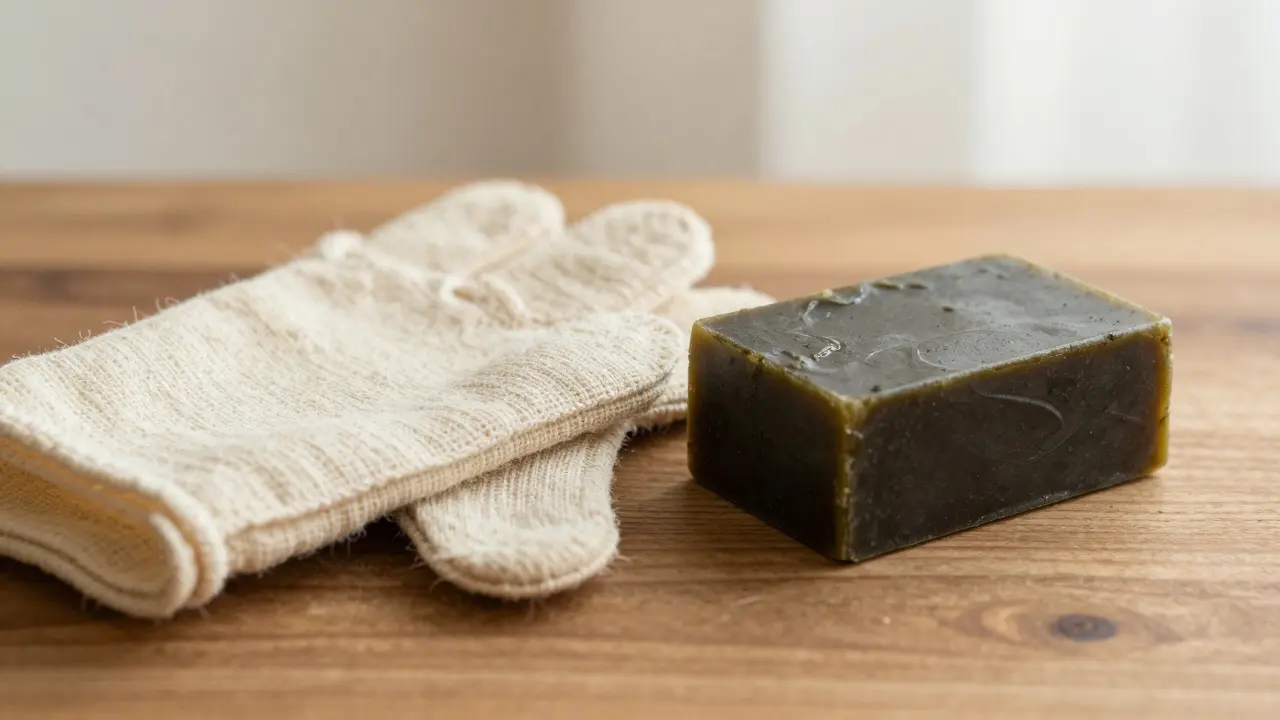
To mimic the hammam effectively, you need to replace standard toiletries with tools designed for deep cleaning and circulation. In a traditional setting, the attendant uses a Kessa glove, a textured mitt made from natural fibers like sisal or cotton, used for vigorous scrubbing to remove dead skin cells. This is non-negotiable for the true feel. You can find these online for a few dollars. They look like rough mesh gloves and might seem intimidating at first, but they are gentle enough for regular use once your skin is softened.
Next, consider your soap. Bar soaps often contain harsh detergents that strip natural oils. Instead, opt for a high-quality Black Soap, also known as Savon Noir, which is traditionally made from olives and rich in glycerin, helping to soften the skin without drying it out. This soap creates a lather that sits on the skin, allowing the Kessa glove to glide smoothly while lifting impurities. Finally, ensure you have a towel large enough to wrap around yourself completely after the process. The contrast between the hot steam and the cool air of the bathroom is part of the therapy, so comfort is key.
| Item | Purpose | Alternative |
|---|---|---|
| Kessa Glove | Exfoliation and circulation | Natural loofah or body brush |
| Black Soap (Savon Noir) | Softening and cleansing | Mild olive oil-based bar soap |
| Bowl or Cup | Pouring water over body | Shower head with spray setting |
| Large Towel | Drying and warmth retention | Two medium towels |
Creating the Steam Environment
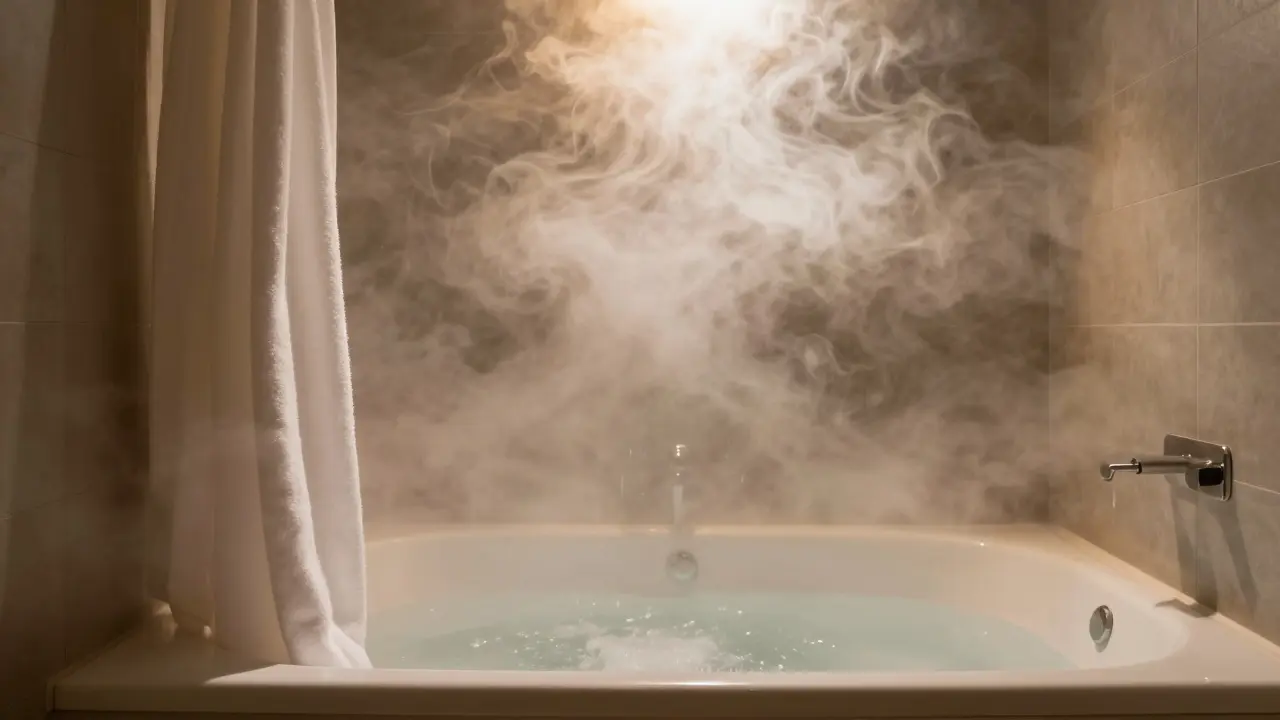
The heart of the hammam is the steam. Without humidity, your pores remain closed, and the exfoliation will be ineffective and potentially irritating. If you have a bathtub, this is the easiest route. Run the hottest water your tap allows and let the tub fill up partially. Close the bathroom door and windows tightly. Turn on the showerhead and direct the spray toward the ceiling or upper walls to maximize steam generation. Sit in the steam for at least ten to fifteen minutes before you even touch the water with your skin.
If you only have a shower, you need to be more strategic. Hang a towel over the top of the shower curtain rod or door frame to trap the rising steam inside the stall. Use the highest temperature setting and run the water for several minutes before stepping in. Keep the door closed throughout the entire process. The goal is to create a microclimate where the air feels heavy and warm against your face. This heat opens your pores and prepares your epidermis for the deep clean ahead. Do not rush this phase; patience is part of the ritual.
The Exfoliation Ritual
Once your skin is thoroughly soaked and soft, it is time for the main event. Apply a generous amount of Black Soap to your wet skin. Massage it in circular motions to create a rich lather. Now, put on your Kessa glove. Start with your feet and work your way up. Use firm, circular strokes. You should feel resistance as the glove catches on dead skin cells. Do not be afraid to apply pressure, but listen to your body. If it stings, ease up. Focus on areas prone to buildup, such as elbows, knees, heels, and the back of your hands.
This process looks messy. You will see grayish residue coming off the glove. That is years of accumulated dead skin, pollutants, and dried sweat leaving your body. It can be shocking the first time, but it is incredibly satisfying. Spend at least five to ten minutes scrubbing every inch of your body. The friction increases blood flow, which gives your skin a healthy glow and helps reduce muscle tension. After scrubbing, rinse off thoroughly with warm water. Notice how smooth your skin feels immediately compared to the other side if you haven't finished yet.
Cleansing and Hydration
After the intense exfoliation, your skin is clean but vulnerable. Avoid using harsh chemical cleansers now. Instead, use a mild, fragrance-free body wash or simply rinse with water. The Black Soap has already done the heavy lifting. As you rinse, imagine washing away stress along with the dirt. Take your time. Let the warm water cascade over your shoulders and neck. This is the moment to breathe deeply and relax your muscles.
Once rinsed, step out of the shower or tub. Wrap yourself immediately in your large, warm towel. Pat your skin dry rather than rubbing, as your fresh skin layer is delicate. While your skin is still slightly damp, apply a nourishing moisturizer. Natural oils like coconut oil, almond oil, or shea butter work best here because they lock in the moisture trapped during the steam session. This step prevents any tightness or dryness that might follow exfoliation. Your skin should feel supple and hydrated, not stripped.
Post-Hammam Relaxation
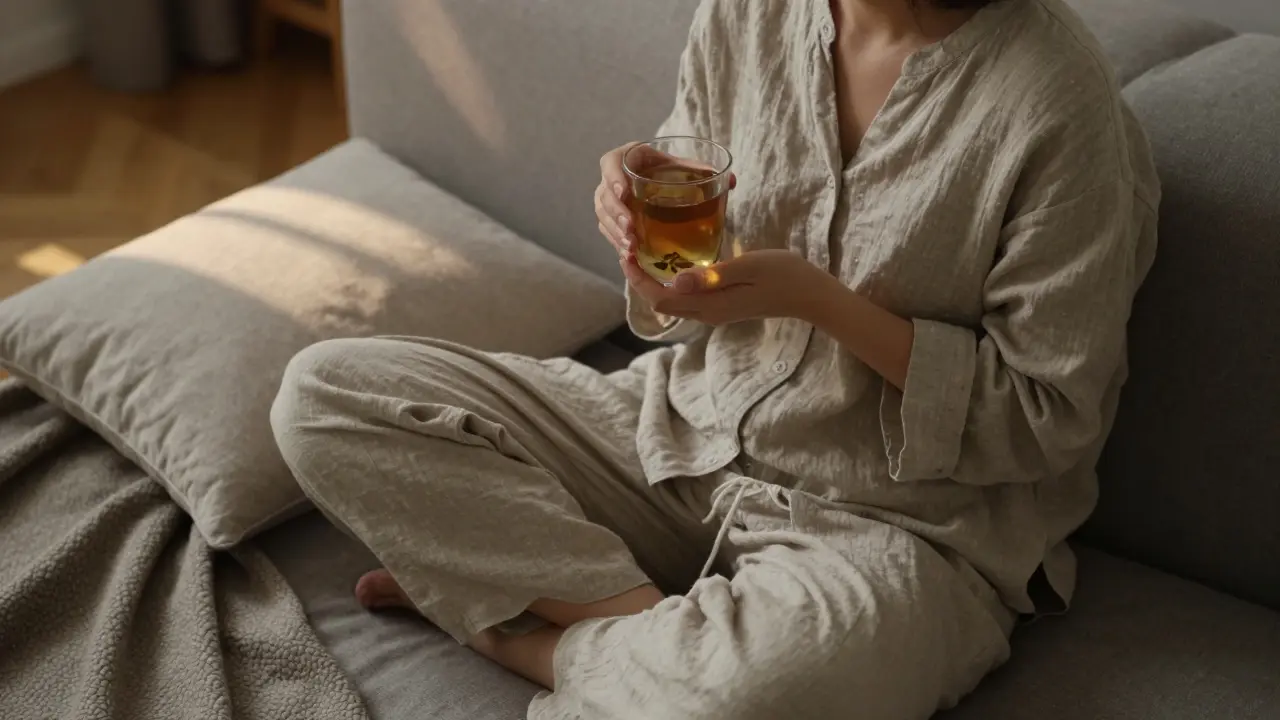
The experience does not end when you leave the bathroom. In traditional hammams, there is a resting area where people lie down to recover and socialize. At home, replicate this by creating a quiet, dimly lit space. Put on comfortable clothing-loose linen or cotton works well-and sit or lie down for ten to fifteen minutes. Drink a glass of water or herbal tea. The steam causes fluid loss through perspiration, so rehydration is crucial.
Avoid jumping straight into cold showers or exercising immediately after. Your body temperature is elevated, and your circulatory system is active. Give yourself permission to do nothing. Read a book, meditate, or simply close your eyes. This period of rest allows your body to integrate the physical benefits of the treatment. You may notice a lingering warmth in your limbs and a sense of lightness. This is the hallmark of a successful hammam session.
Safety and Frequency
While the home hammam is beneficial, moderation is key. Exfoliating too frequently can damage your skin barrier. Limit this ritual to once a week or once every two weeks, depending on your skin type. If you have sensitive skin, eczema, or open wounds, consult a dermatologist before attempting vigorous scrubbing. Also, be cautious with heat. If you feel dizzy, lightheaded, or nauseous, stop immediately, turn off the water, and cool down. People with cardiovascular issues should exercise extreme caution with high-heat environments.
Keep the floor dry to prevent slipping accidents. The combination of steam, soap, and water makes surfaces slippery. Use a non-slip mat in the shower or tub. Clean your Kessa glove after each use and let it dry completely to prevent mold growth. Hang it in a well-ventilated area. With proper care, the glove will last for months, becoming softer and more effective with age.
Can I use a regular loofah instead of a Kessa glove?
Yes, a natural loofah or a body brush can serve as an alternative. However, a Kessa glove provides a more uniform and controlled exfoliation. Loofahs can harbor bacteria if not dried properly, whereas Kessa gloves are easier to sanitize and offer a finer texture that mimics the traditional hammam technique more closely.
How long should I stay in the steam?
Aim for 10 to 15 minutes of steaming before starting the scrub. This ensures your pores are fully open and your skin is soft enough for effective exfoliation. If you feel overheated or uncomfortable, reduce the time. Listen to your body's signals.
Is it safe to do this if I have sensitive skin?
Proceed with caution. Sensitive skin may react poorly to vigorous scrubbing. Use a softer Kessa glove (cotton blend) and apply less pressure. Consider limiting the scrubbing to less sensitive areas like arms and legs, avoiding the face and chest. Always patch-test new products like Black Soap first.
What should I wear after the hammam?
Wear loose, breathable fabrics like cotton or linen. Tight clothing can irritate freshly exfoliated skin. Comfort is essential during the post-ritual relaxation phase to allow your body to cool down gradually and retain the soothing effects.
How often can I recreate the hammam experience?
Once a week is ideal for most people. Over-exfoliating can lead to irritation, redness, and a compromised skin barrier. If your skin is oily, you might tolerate it twice a week, but for dry or sensitive skin, every two weeks is safer.